Software development
Custom Software Development Company: Bespoke Web, Mobile, AI and Internal Software Built by Our In-House Team
Written scope and quote after the call. NDA on request. You own the code.
Quick answer
aibrevo is a custom software development company in San Francisco. Our 16-person in-house engineering team, led by CTO Shivam Pujara, designs and builds web apps, mobile apps, internal tools, AI apps, SaaS products, portals and custom CRMs. Our published builds shipped their first release in 5 to 10 weeks, and every project is scoped and quoted in writing after a free call.
Builds like this
Part of the guide: Software development
Key takeaways
- Our 44 published case studies shipped their first release in 5 to 10 weeks, with 38 of them landing between 6 and 8 weeks.
- Custom software pays off when the workflow is your advantage or no product fits it: Spirit Airlines' group desk went from 3-day quotes to 40 minutes after GDS bolt-on modules failed to fit its pricing model.
- Our app and web app builds typically cost $7,000 to around $25,000 to $30,000, depending on features, and we work project-based or hourly. Each build is scoped and quoted in writing after a free 30-minute call. You own the code, and at handover you get a recorded video walkthrough and written documentation on how to use it and how it was built.
A custom software development company designs and builds software around one business’s workflow, instead of selling a product built for everyone. aibrevo is that company for startups, growing firms and enterprise teams: our 16-person in-house engineering team in San Francisco, led by co-founder and CTO Shivam Pujara, builds web apps, mobile apps, internal tools, AI apps, SaaS products, customer portals, marketplaces and custom CRMs. For Spirit Airlines we replaced a shared inbox and spreadsheet with a group booking system that cut the average group quote from 3 days to 40 minutes. Our 44 published builds shipped their first release in 5 to 10 weeks, and every project is scoped and quoted in writing after a free call.
From our Spirit Airlines case study, Homer case study and Life Line EMS Event Manager case study; timeline range from all case studies on our work page.
What custom software do we build?
We build nine kinds of software and support them after launch. The table below links to each service page and to a shipped build of that type.
| Service | What you get | A build we shipped |
|---|---|---|
| Web app development | Browser-based apps with accounts, roles, payments and dashboards | Miami Dolphins premium suites: enquiry to signed contract from 21 days to 6 |
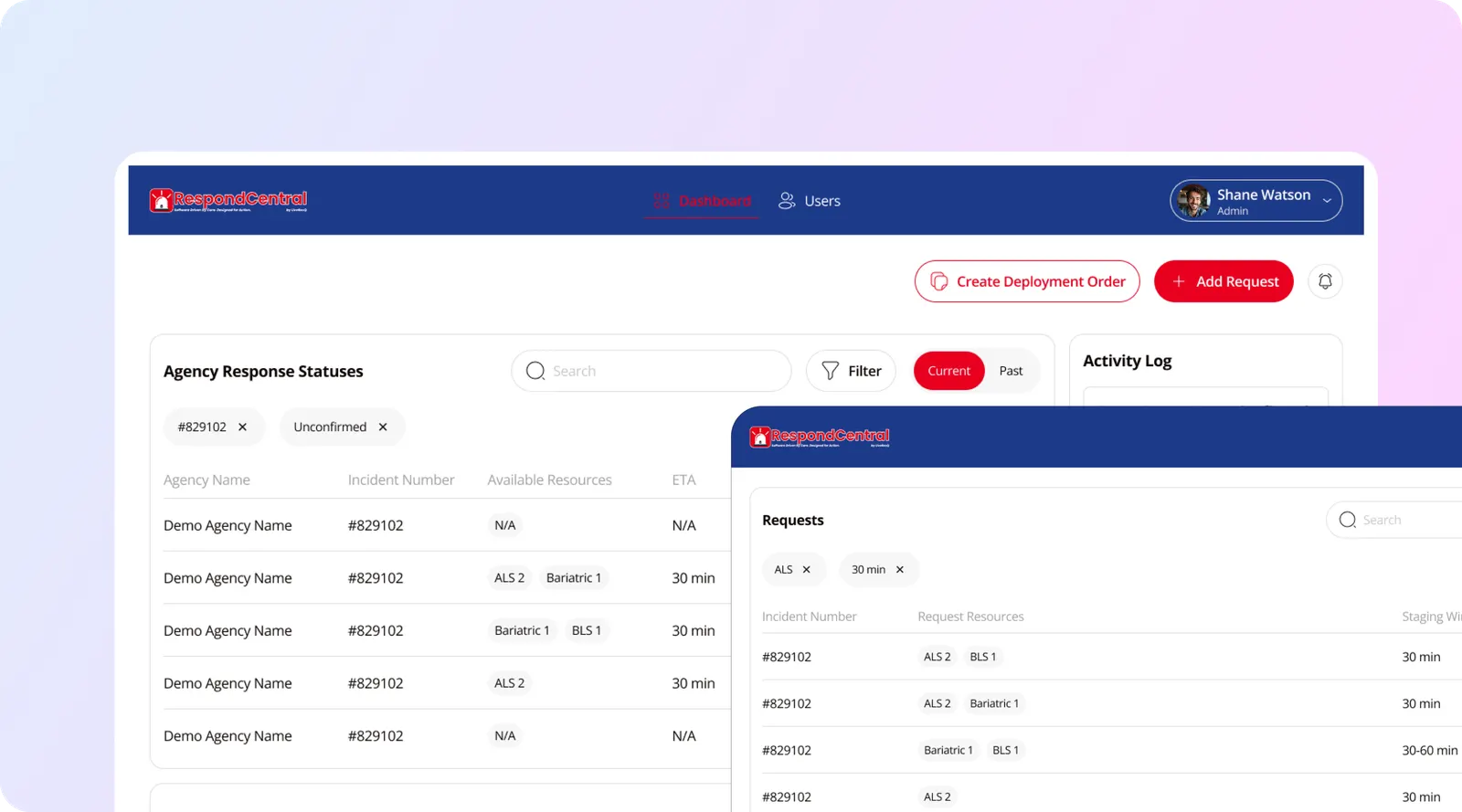
| Mobile app development | iOS and Android apps, native or cross-platform | Respond Central EMS dispatch: transport request to confirmed crew in 3 minutes, down from 22 |
| MVP development | A first version with the core loop, built to test demand | Probado: 2,900 startups on the platform in year one |
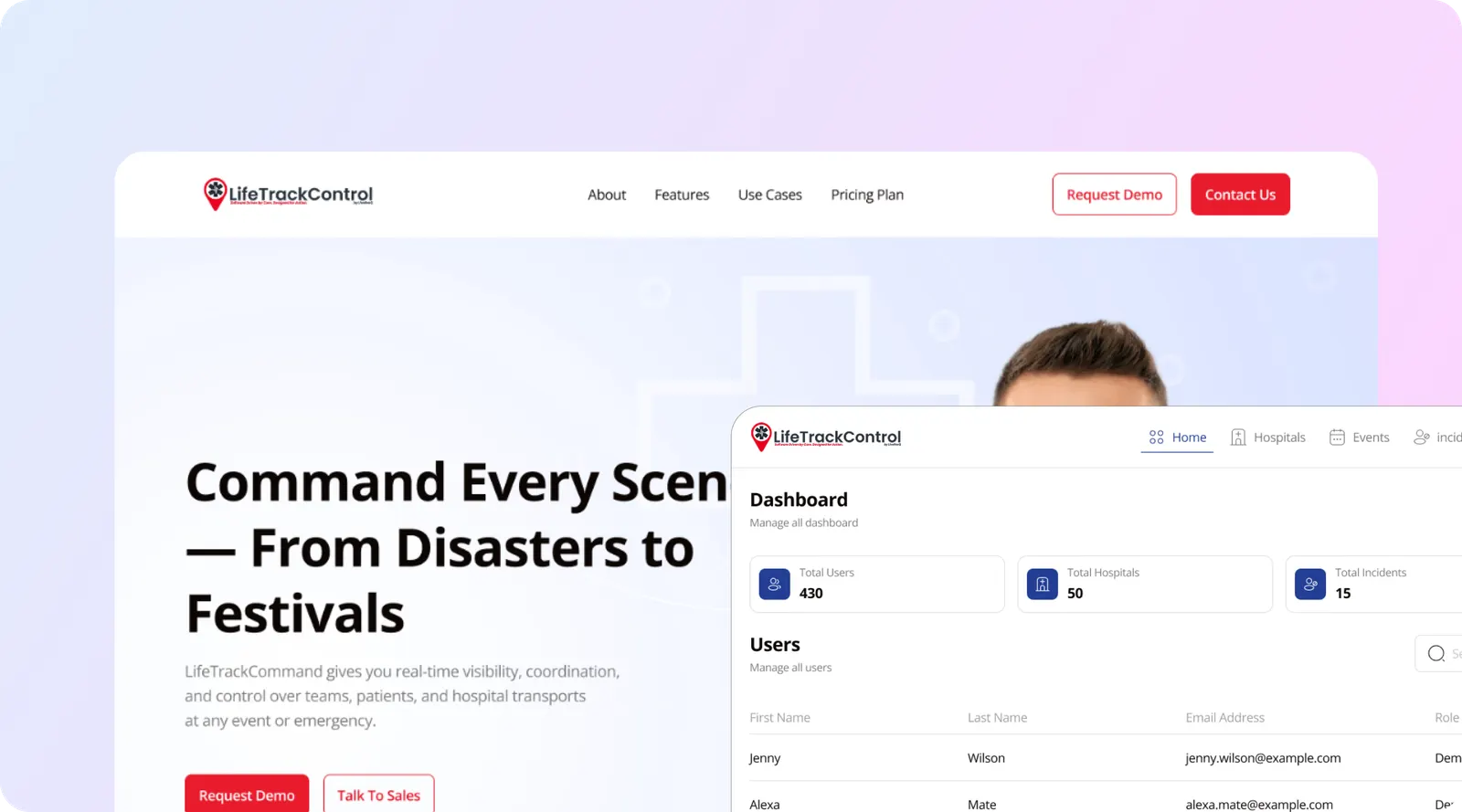
| Internal tools development | Admin panels, scheduling, approvals and ops dashboards | Life Line EMS Event Manager: scheduling admin from 14 hours a week to under 3 |
| AI app development | Apps built around LLMs, generation and automation | DAIN: listing video in 8 minutes instead of 3 to 5 days |
| SaaS development | Multi-tenant products with billing and onboarding | Ingio AI assistant hub: 3,400 business accounts in year one |
| Customer portal development | Secure portals for clients, partners or members | Homer: fall-through rate from 19% to 8% |
| Marketplace app development | Two-sided platforms with listings, booking and payouts | Hago: 11,000 vetted providers across 22 categories |
| Custom CRM development | A CRM shaped to your pipeline when off-the-shelf ones do not fit | EdgeBase for Edge Case Capital: 340 deals tracked in year one vs about 120 before |
| Legacy software modernization | Replacing spreadsheets, old apps and dated sites with maintained software | Spirit Airlines: 84% fewer pricing corrections |
| UI/UX design | Research, flows, prototypes and design systems | JetStarix charter aviation: quote form completion from 22% to 71% |
| Website development | Fast marketing sites wired to your CRM | JetStarix: charter enquiries up 2.8x in two months |
| Software maintenance and support | Updates, monitoring, fixes and small features after launch | Offered on every build we ship |
Each build includes discovery, design, development, QA, deployment to your cloud account, documentation and handoff. CRM integration with GoHighLevel, HubSpot, monday.com or Pipedrive is part of the scope when the software touches customers or deals.
Which custom software projects have we delivered?
Our engineering team has delivered 200+ software projects. Three that show the range:
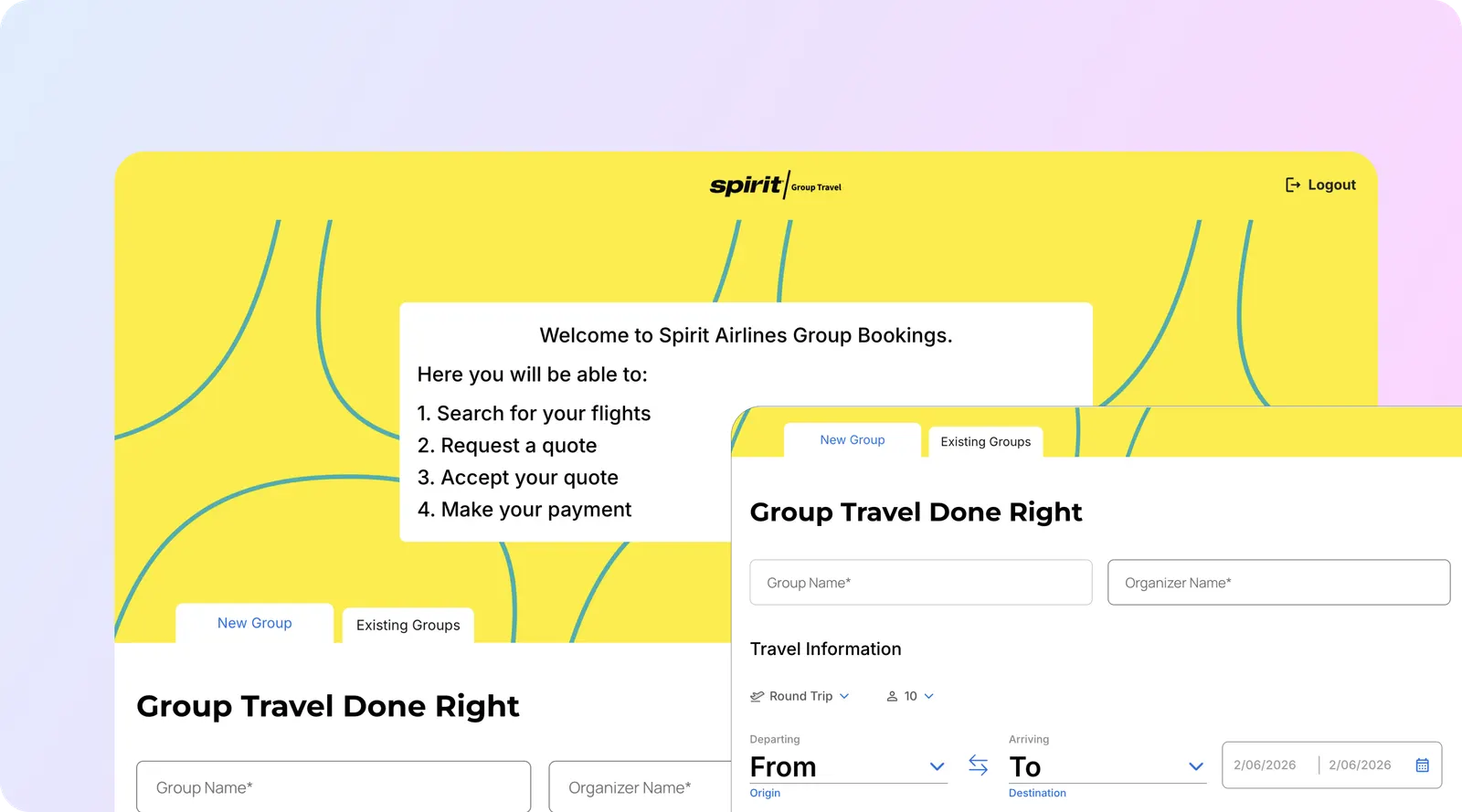
Spirit Airlines, group booking (10 weeks). The group desk ran on a shared inbox and one spreadsheet four people edited at once, and bolt-on modules from two GDS vendors assumed a pricing model the airline does not use. We built a quote request form with CSV manifest upload, a rules-based pricing engine on live fare inventory through Sabre, an approval chain by discount depth and Stripe deposit-and-balance payments. Group bookings went from 140 to 610 a month within two quarters. Read the case study.
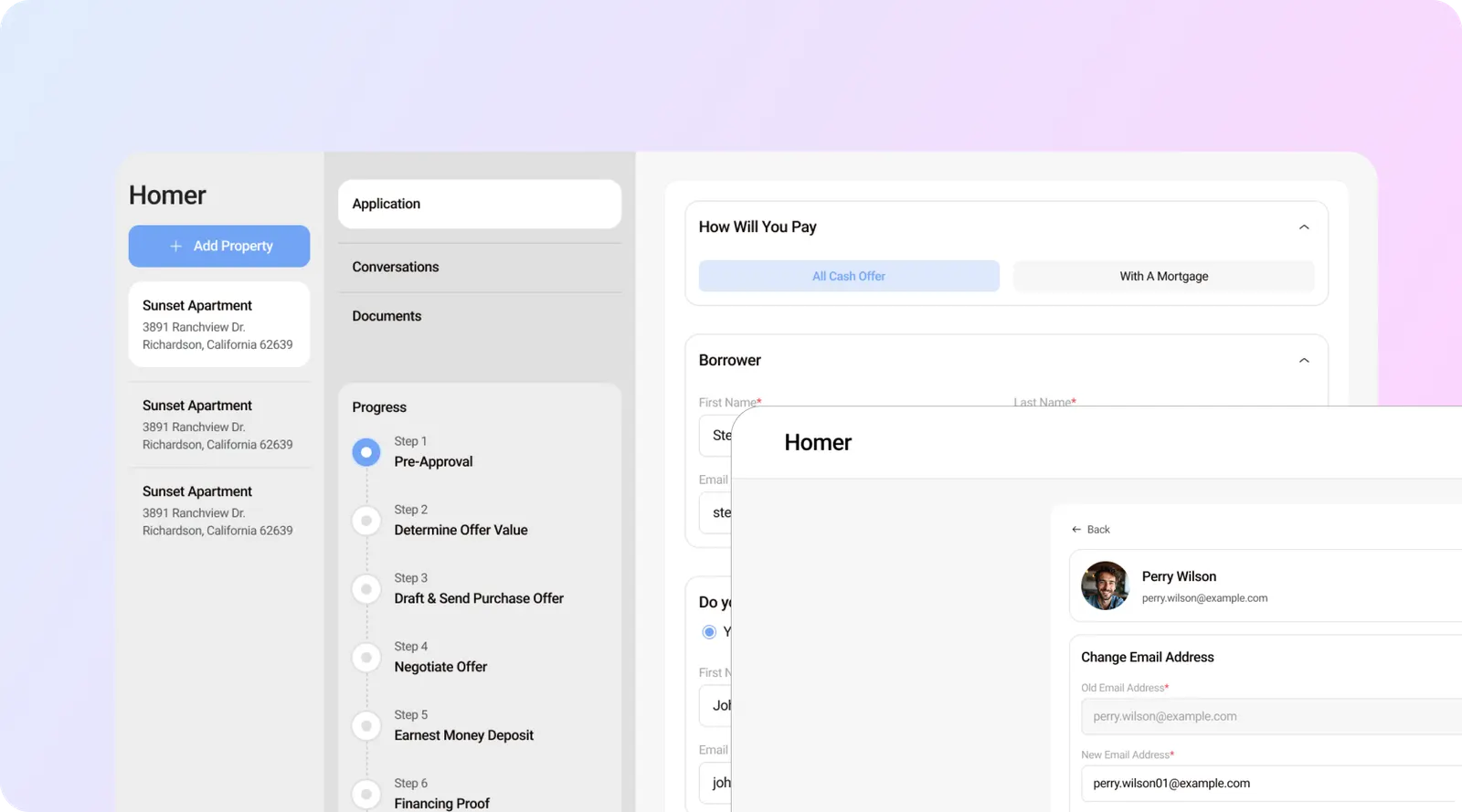
Homer, home buying platform (9 weeks). Buyers, sellers, lenders and inspectors worked across about six email threads per deal. We built one timeline where each milestone has an owner and a due date, document requests with completeness checks, and lender and inspection integrations. Average time to close fell 11 days, from 43 to 32, and 4,200 transactions ran through it in year one. Read the case study.
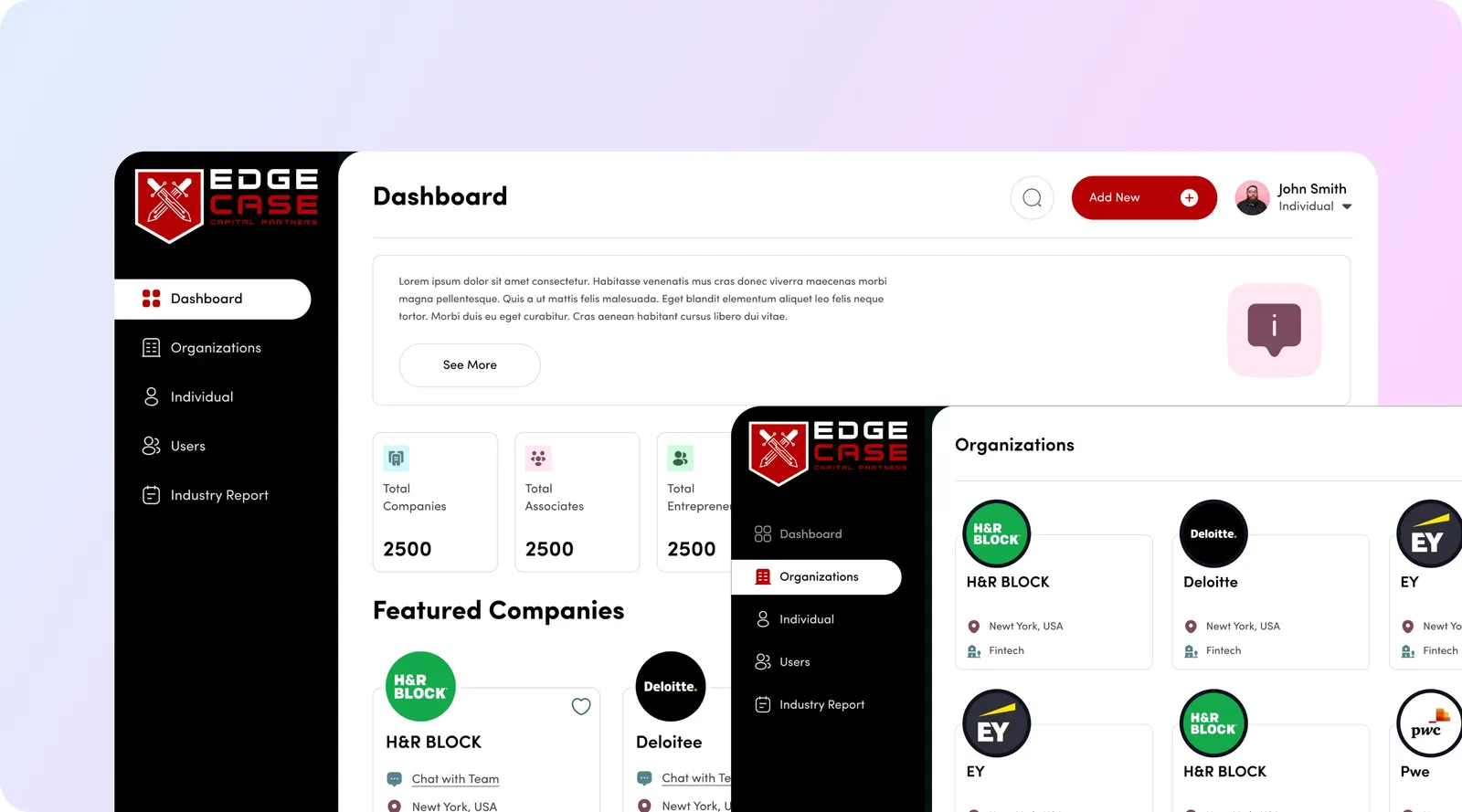
Edge Case Capital, VC deal CRM (6 weeks). The fund tracked deals in spreadsheets, notes and email across three offices and five tracking systems. We built a pipeline with Gmail and Outlook sync, a weighted scoring rubric per partner and an investment memo generator. Memos now take 90 minutes instead of six hours, and no deal has been lost to a missed follow-up since launch. Read the case study.
More builds, from marketplaces to EMS dispatch, are on our work page.
How does custom software development work, step by step?
Our builds follow six stages. The week ranges come from our published case studies, where first releases took 5 to 10 weeks end to end.
| Stage | What happens | Typical time on our builds |
|---|---|---|
| 1. Discovery | Workshops with the people who will use it, current-process map, data and integration audit, written scope with a quote | About 1 week (Spirit Airlines was scoped in a week) |
| 2. Design | User flows, wireframes, clickable prototype, data model, architecture decision | 1 to 2 weeks, overlapping with discovery |
| 3. Development | Short build cycles with a working demo you can click through, integrations built against real test accounts | 3 to 6 weeks |
| 4. QA | Automated tests on core logic, manual testing on real devices and browsers, permission and security checks | Runs through development, plus about 1 week before launch |
| 5. Launch | Deployment to your cloud account, data import, staff walkthrough, monitoring switched on | A few days |
| 6. Handover and support | Recorded video walkthrough, written documentation, code and accounts in your name; after that, bug fixes, updates and new features billed per hour | Handover at launch, support as needed |
How our 44 published case studies break down by time to first release:
From the timeframes stated in our 44 published case studies on our work page, counted Oct 31, 2026. Average: about 7 weeks.
How long does custom software development take?
Your first release takes 5 to 10 weeks with us, with a median of 7 weeks across our 44 published builds. What you are building moves the number more than your industry does:
| What you are building | Builds in our data | Median weeks to first release | Range |
|---|---|---|---|
| Web app | 28 | 7 | 6 to 10 |
| Mobile app only | 7 | 6 | 6 to 8 |
| Web and mobile together | 5 | 8 | 6 to 9 |
| Customer portal | 5 | 8 | 6 to 9 |
| Booking or dispatch product | 9 | 8 | 6 to 10 |
| Internal tool | 4 | 7 | 6 to 9 |
| App with an AI feature at its core | 6 | 7.5 | 7 to 8 |
Source: our app development timeline study of 44 builds, counted Oct 31, 2026.
What adds weeks: live connections to outside systems (Spirit Airlines’ Sabre integration made it our longest build at 10 weeks), more than two user roles sharing one workflow, a web and a mobile front end in the same first release, migrating data from an old system, and compliance work such as audit trails for health or payment data. Each of those you move to a second phase takes time out of the first one. On the free call we map your scope against these numbers and give you a week-by-week plan with the written quote. The full breakdown is in our timeline research.
What is included in a custom software build?
You get everything from the first call to handover, delivered by our in-house team:
- A free 30-minute call, then a written scope and quote that lists what is in the first release and what is not
- UX and UI design: user flows, wireframes and a clickable prototype you approve before code is written
- Frontend and backend development, with a working demo every week
- Integrations with the tools you already run, such as GoHighLevel, HubSpot, monday.com or Pipedrive, payments and email
- Data import from spreadsheets or an old system, when the scope includes it
- QA: automated tests on core logic, manual testing on real browsers and devices, and permission checks
- Deployment to a cloud account in your name, with monitoring switched on
- Handover: a recorded video walkthrough, written documentation on how to use it and how it was built, and the code and accounts in your name
Not included: subscription and licence fees for third-party services (hosting, payment processing, maps, AI models, app store accounts) are paid by you directly to those vendors. Support after launch is billed per hour.
How much does custom software development cost?
Our price. Our app and web app builds typically cost $7,000 to around $25,000 to $30,000, depending on features. A focused first version sits near the low end; many features, user roles, payments and integrations land near the top. We work project-based or hourly. After a free 30-minute call we send a written scope and quote, and you own the code at handover. Full details are on our pricing page.
What moves the number:
| Cost driver | Lower effort | Higher effort |
|---|---|---|
| Scope | One core workflow, one user type | Several roles, approval chains, reporting |
| Platforms | Web only | Web plus native iOS and Android |
| Integrations | None, or one with a documented API | Several, or systems without clean APIs (GDS, EHR, legacy databases) |
| Data | Starting fresh | Migrating years of records from spreadsheets or an old system |
| Business logic | Forms and lists | Pricing engines, scheduling with conflict rules, matching |
| Compliance | Standard security practice | HIPAA, PCI, SOC 2 evidence, audit trails |
| Design | Design system applied to standard screens | Custom visual direction, 3D or interactive maps |
After a free 30-minute call and a short discovery, we send a written scope and a quote for the first release, so the number does not move unless the scope does. For a rough number before the call, estimate your build in two minutes.
Custom software vs off-the-shelf: which should you choose?
Buy when a product already fits, build when the workflow is your edge or nothing fits. Microsoft’s Cloud Adoption Framework makes the same split for existing systems: replace with SaaS when you need to simplify operations and need little customization, and rebuild when the legacy system is too outdated or inflexible (Microsoft Learn, checked Oct 31, 2026).
| Factor | Off-the-shelf SaaS | Low-code (Airtable, monday.com) | Custom software |
|---|---|---|---|
| Time to start | Days | Days to weeks | 5 to 10 weeks for a first release on our builds |
| Upfront cost | Low | Low to moderate | Highest |
| Ongoing cost | Per-seat fees that grow with headcount | Per-seat fees plus admin time | Hosting and maintenance, no per-seat fees |
| Fit to your process | You adapt to the product | Good for table-shaped data and simple flows | Built around your process |
| Complex logic (pricing, scheduling, matching) | Only what the vendor ships | Limited, gets brittle | Full control |
| Customer-facing use | Vendor branding and limits | Limited | Your brand, your UX |
| Ownership | Vendor owns the roadmap and the data model | Vendor platform | You own the code |
| Verdict | Choose it when the process is standard | Choose it for internal, low-volume workflows | Choose it when the workflow is how you compete or nothing fits |
Spirit Airlines is the clearest example from our work: the airline evaluated bolt-on modules from two GDS vendors first, and neither handled its pricing model or approval chain. Edge Case Capital had five tracking tools and still lost deals. In both cases the custom build replaced several partial tools with one. If a low-code tool fits, we will say so; our monday.com app development work exists for exactly that.
Who do we build custom software for?
- Startups that need a first version in weeks to test demand, then a codebase that can grow. See MVP development and Probado.
- Small and mid-sized businesses running on spreadsheets, inboxes and paper, where one system can remove hours of admin a week, as with Life Line Ambulances.
- Enterprise teams that need a specific workflow built beside core systems, such as Spirit Airlines’ group desk on top of Sabre or the Miami Dolphins suite sales platform.
Industries we have shipped in include aviation and travel (Spirit Airlines, JetStarix, GoHangars), healthcare and EMS (Life Line Ambulances, Infuse CTL), real estate (Homer, DAIN, Vassumable), sports (Miami Dolphins, Miami Open), finance (Edge Case Capital), home services marketplaces (Hago, Simply Bids) and ecommerce (Cyrano Brands).
How do you choose a custom software development company?
Use this checklist on every company you talk to, including us:
- Shipped work with numbers. Ask for builds similar to yours and what changed after launch, in hours, days or money.
- Who writes the code. In-house engineers or subcontractors? Ask to meet the technical lead.
- A written scope before you commit. A written quote for a first release, with what is in and out.
- Code ownership. The contract should give you the code, and the repository should sit in an account you control.
- Integration experience. Your software will need to talk to your CRM, payments and email. Ask how they handle API limits, retries and failed syncs.
- Testing and security practice. Automated tests on core logic, role-based permissions, secrets kept out of the code.
- What happens after launch. A maintenance option, or documentation good enough for another team to take over.
- Honest no’s. A good partner tells you when an off-the-shelf tool is enough.
Why choose aibrevo as your custom software development company?
- In-house engineering team. 16 engineers in San Francisco, led by co-founder and CTO Shivam Pujara, plus 30+ specialists who work with us remotely when a project needs extra skills.
- 200+ software projects delivered by our engineering team, with 44 detailed case studies published on our work page.
- Fast first releases. 5 to 10 weeks on our published builds, about 7 on average.
- CRM built in. We set up, migrate and integrate GoHighLevel, HubSpot, monday.com and Pipedrive, so new software connects to the record your sales team already uses. See CRM integration services.
- Written quotes and code you own. Scoped after a free call and agreed before work starts. At handover you get a recorded video walkthrough and written documentation on how to use it and how it was built, and support after launch is billed per hour.
Founded in 2021 by Alpit Patel, aibrevo is a software and CRM company. More about the team is on our about page. We build custom software for clients across the US, working remotely from San Francisco; see app development by state and city.
Have a workflow that no product fits? Book a free 30-minute call or send a message describing the process today, the people who use it and the systems it touches. We come back with whether to build, buy or connect, and a written scope and quote if building is the right call.
Sources
All pages opened on Oct 31, 2026.
- Microsoft Learn, Cloud Adoption Framework, select your cloud migration strategies: replace vs rebuild indicators.
- aibrevo case studies on our work page: timeframes and results quoted above.