Software development
Mobile App Development Company: iOS, Android and Cross-Platform Apps Built by Our In-House Team
Written scope and quote after the call. NDA on request. You own the code.
Quick answer
aibrevo is a mobile app development company in San Francisco. Our in-house engineering team designs, builds and ships iOS, Android and cross-platform apps, from MVPs to dispatch systems, and wires them into your CRM. Our recent app builds took 6 to 8 weeks to first release, and every project is quoted in writing after a free call.
Builds like this
Part of the guide: Software development
Key takeaways
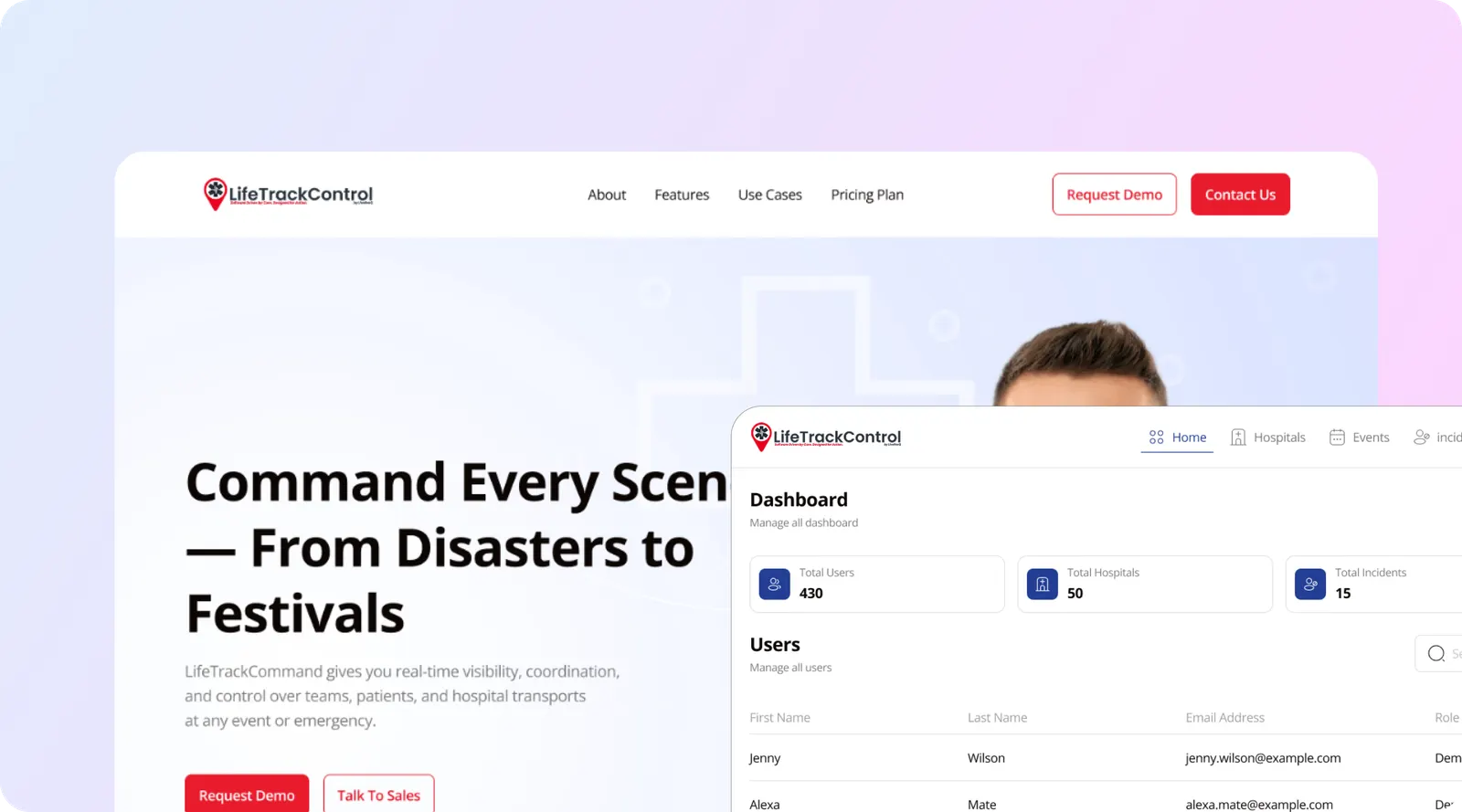
- Our recent mobile builds (Stridely, BingoBuddy, GreekVibes, Papri, DAIN, Common Faktor, Respond Central) each reached first release in 6 to 8 weeks.
- Publishing costs are small and fixed: Apple's Developer Program is 99 USD a year and Google Play charges a one-time 25 USD registration fee (both checked Oct 31, 2026).
- Apple says App Review typically handles at least 50% of submissions in under 24 hours and 90% in under 48 hours. New personal Google Play accounts must first run a closed test with at least 12 testers for 14 days.
- Store commissions decide your unit economics: 15% on Apple's Small Business Program (under 1 million USD in proceeds), 30% standard on Apple in the first subscription year, and on Google Play in the US, UK and EEA a new fee structure since June 30, 2026 (for example 10% plus a 5% billing fee on subscriptions).
- Store rules change yearly: since Apr 28, 2026 Apple requires Xcode 26 and the iOS 26 SDK for uploads, and since Aug 31, 2026 Google Play requires new apps and updates to target Android 16 (API level 36).
aibrevo is a mobile app development company in San Francisco. Our in-house engineering team designs and builds iOS, Android and cross-platform apps for startups, growing businesses and operators who need a field or customer app that actually gets used. We handle discovery, UX and UI design, the app itself, the backend, store submission and support, and we connect the app to your CRM so every sign-up or booking lands where your team works. One example: the Respond Central dispatch app we built for Life Line Ambulances cut the time from a transport request to a confirmed crew from 22 minutes to 3. Our recent app builds reached first release in 6 to 8 weeks, and every project is quoted in writing after a free call.
From our Stridely, Respond Central and Common Faktor case studies; timeline range from the build timeframes listed in the table below.
What does our mobile app development service include?
Everything needed to get from an idea to an app people download and keep using. You can hire us for the whole build or for a part of it, such as design only or taking over an existing codebase.
| Deliverable | What you get |
|---|---|
| Discovery and scope | User flows, feature list split into launch and later, a written quote with milestones |
| UX and UI design | Wireframes, clickable prototype, a design system (type, colour, components) and final screens for iOS and Android. See our UI/UX design services |
| iOS app development | Native Swift or cross-platform, built against Apple’s current SDK requirements |
| Android app development | Native Kotlin or cross-platform, targeting the API level Google Play currently requires |
| Cross-platform app development | One React Native or Flutter codebase for both stores when the product suits it |
| Backend and APIs | Accounts, data, roles, payments, push notifications, admin dashboard |
| Integrations | GoHighLevel, HubSpot, monday.com or Pipedrive, plus payments, maps, calendars and messaging |
| QA | Testing on real iPhones and Android devices across screen sizes and OS versions |
| Store launch | App Store Connect and Play Console setup under your accounts, listings, privacy labels, review responses |
| Support | Bug fixes, OS updates and new features after launch. See software maintenance and support |
Which mobile apps have we built?
Seven of our recent builds below, all designed and engineered by our team. Each one solved a specific problem that a generic template could not.
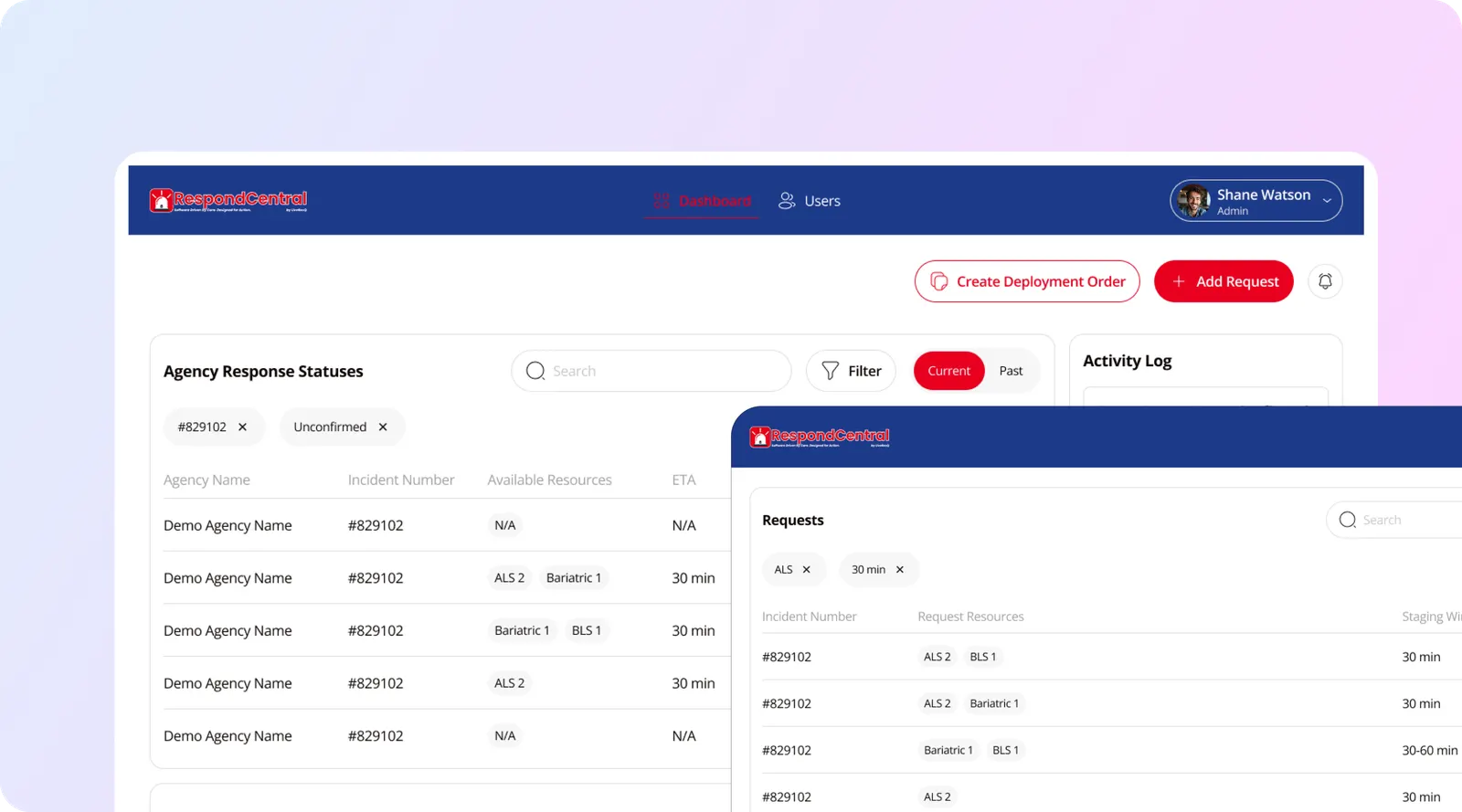
Respond Central EMS dispatch app (Life Line Ambulances). Nursing facilities used to book ambulance transport by phone, with an average of six calls per request. We built a structured request form, automatic routing to crews matched on vehicle type and certification, live status tracking and e-signature at pickup. Request to confirmed crew dropped from 22 minutes to 3, 140 facilities joined in the first year and 68,000 transports have run through it. Built in 8 weeks.

Stridely social fitness tracker. Solo fitness apps lose most users within weeks. We designed and built Stridely around small groups, where logging a workout posts to the group automatically and a quiet member triggers a nudge to the group rather than to the individual. Ninety-day retention is 52%, against roughly 8% for solo trackers, with 310,000 users and 1.2 million workouts logged. Built in 6 weeks.
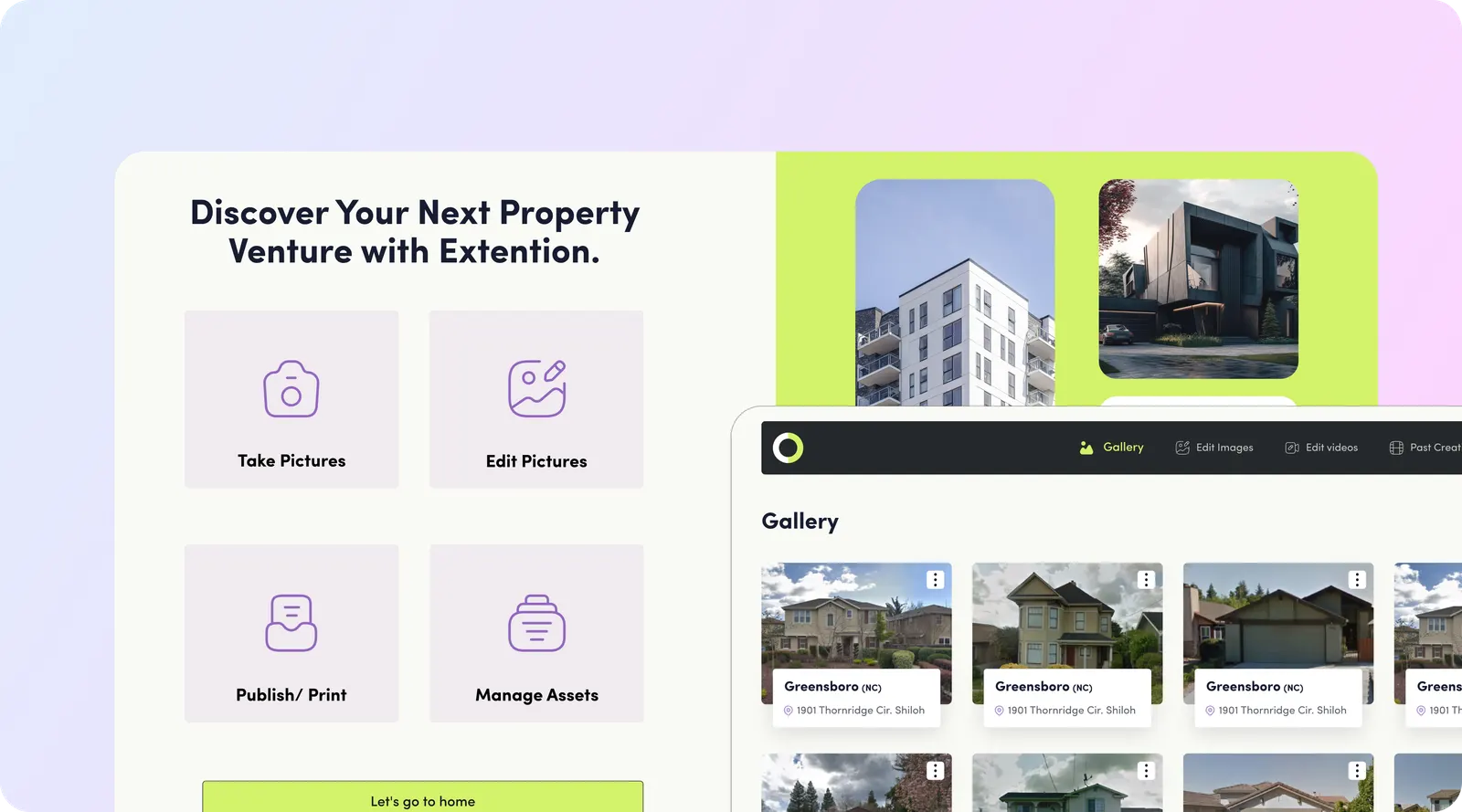
DAIN AI realtor video app. Agents upload photos or walkthrough footage and get a narrated, branded listing video. Turnaround went from three to five days with a production vendor to 8 minutes, and cost per video from 450 USD to under 12 USD in compute. Listings with video receive 3.2 times the enquiries. Built in 7 weeks.
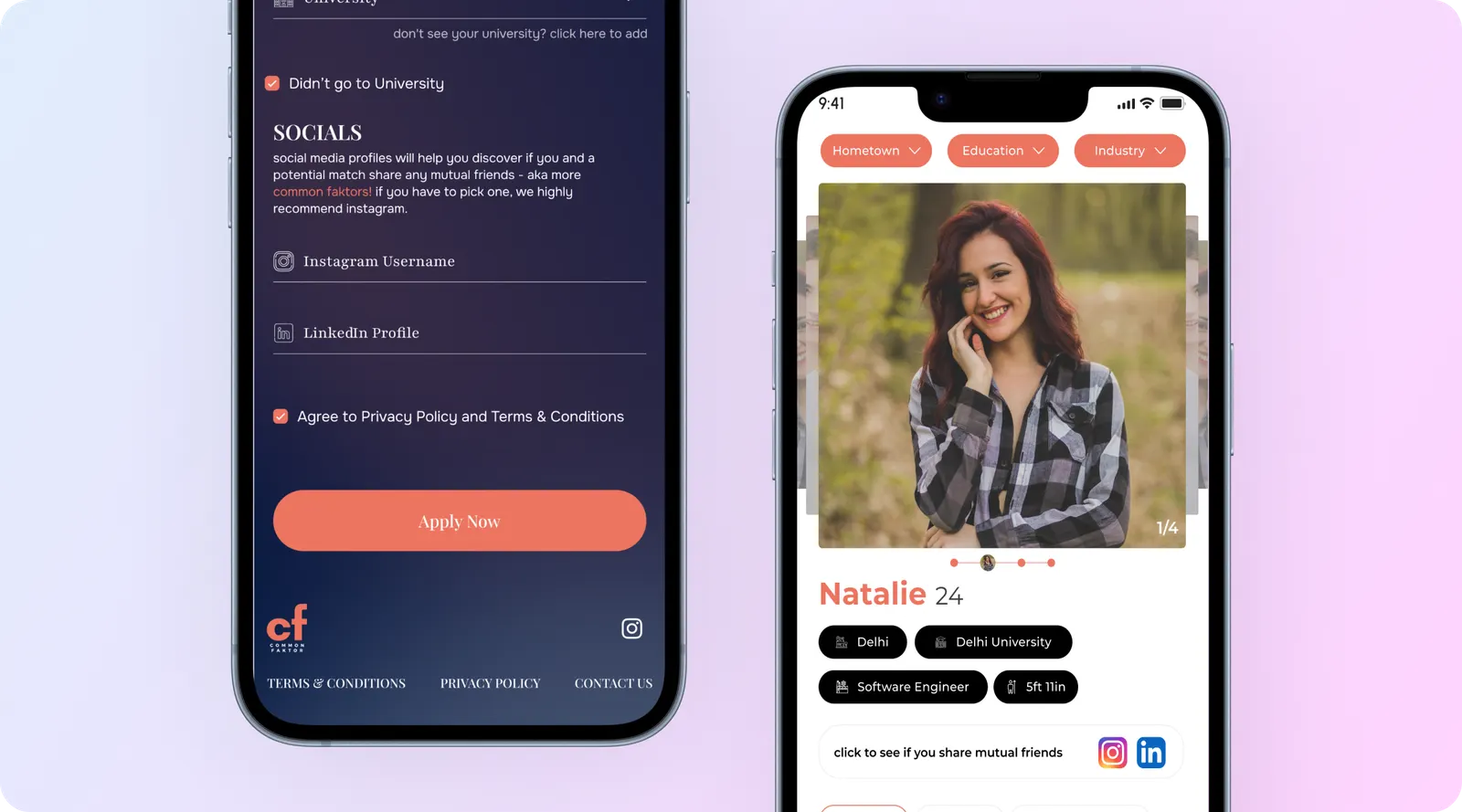
Common Faktor. A dating app for South Asian singles that matches on weights the user controls (region, language, observance, family expectations) and shows why two people matched. The first-message reply rate is 3.4 times that of the mainstream apps the founders benchmarked, and the app reached 140,000 registered users in 18 months, 41% of them by referral. Built in 7 weeks, design included.
Three more consumer builds from the same team: BingoBuddy (340 venues and 47,000 tickets sold, with QR entry), GreekVibes (62,000 alumni across 140 chapters, directory accuracy from about 40% to 91%) and Papri (310,000 readers, with correct Bengali conjunct rendering and an input method that works on mobile keyboards). See every project on our work page.
How long does it take to build an app?
A focused first release takes 6 to 10 weeks with an experienced team; our own mobile builds landed between 6 and 8. These are real build times from our case studies, measured to first release, not including store review.
| App | What it does | Build time |
|---|---|---|
| Stridely | Group fitness tracking and challenges | 6 weeks |
| BingoBuddy | Event discovery, ticketing, QR entry, operator portal | 6 weeks |
| GreekVibes | Alumni network, mentorship matching, events, giving | 6 weeks |
| Papri | Bengali publishing, reading, audio, offline mode | 6 weeks |
| DAIN | AI listing video generation and bulk rendering | 7 weeks |
| Common Faktor | Compatibility matching, verification, chat | 7 weeks |
| Respond Central | EMS transport requests, crew routing, live tracking | 8 weeks |
Source: build timeframes listed in each of our case studies.
What pushes a build past this range: more than one user type with separate apps (customer, staff, admin), payments with refunds and payouts, regulated data such as health records, offline sync, and integrations with older systems that lack clean APIs. Store steps then add time on top: Apple’s review (below) and, for personal Google Play accounts created after Nov 13, 2023, a closed test with at least 12 testers opted in for 14 days in a row before production release (Google Play Console Help, checked Oct 31, 2026). We register business accounts where possible and plan that test into the schedule when it applies.
How does our app development process work?
Six stages, with a demo you can tap through at the end of each week.
| Stage | What happens | Typical length in our builds |
|---|---|---|
| 1. Discovery | Goals, users, must-have features, integrations, risks; written scope and quote | Week 1 |
| 2. UX and UI design | Flows, wireframes, clickable prototype, design system, final screens | Weeks 1 to 3 (overlaps build) |
| 3. Development | App, backend, admin and integrations in weekly increments | Weeks 2 to 7 |
| 4. QA | Real-device testing, accessibility checks, load tests on the backend | Throughout, final pass in the last week |
| 5. Launch | TestFlight and Play testing tracks, store listings, review responses | Last 1 to 2 weeks |
| 6. Support | Crash monitoring, fixes, OS updates, the next feature set | Ongoing |
Ranges drawn from our 6 to 8 week mobile builds listed above.
What does mobile app development cost?
There is no honest single number. Cost follows scope, and these are the drivers that move it most:
| Cost driver | Lower end | Higher end |
|---|---|---|
| Platforms | One cross-platform codebase | Two native apps plus a web app |
| User types | One app for one user type | Separate customer, staff and admin apps |
| Backend | Standard accounts and data | Real-time tracking, matching, media processing, AI |
| Integrations | One CRM or payment provider | Several systems, legacy APIs, two-way sync |
| Compliance | Public consumer data | Health, finance or children’s data with audit trails |
| Design | Proven patterns, small design system | Custom illustration, motion, brand-new design system |
Our price. Our app and web app builds typically cost $7,000 to around $25,000 to $30,000, depending on features. A focused first version sits near the low end; many features, user roles, payments and integrations land near the top. We work project-based or hourly. After a free 30-minute call we send a written scope and quote, and you own the code at handover. Full details are on our pricing page. On that call we scope the app and send a written quote with milestones, so you know the total before any code is written. Want a first range before the call? Estimate your build in two minutes.
Store costs you pay directly (all checked Oct 31, 2026):
- Apple Developer Program: 99 USD a year; the Enterprise Program for internal-only apps is 299 USD a year (Apple enrollment).
- Google Play: a one-time 25 USD registration fee (Play Console Help).
What commission do the App Store and Google Play take?
Commission applies when you sell digital goods inside the app: paid downloads, in-app purchases and subscriptions. Physical goods and services (a ride, a ticket to a real event, a transport booking) normally use your own payment provider and pay no store commission. These are the rates on each company’s own pages, checked Oct 31, 2026.
| Store and program | Rate | Source |
|---|---|---|
| Apple App Store Small Business Program (under 1 million USD in proceeds in the prior and current year, or new to the store) | 15% on paid apps and in-app purchases | Apple |
| Apple auto-renewable subscriptions, first year of paid service | You receive 70% (30% commission) | Apple |
| Apple subscriptions after one year of paid service | You receive 85% (15% commission) | Apple |
| Google Play, most markets: first 1 million USD of annual earnings | 15% | |
| Google Play, most markets: earnings above 1 million USD | 30% | |
| Google Play, most markets: auto-renewing subscriptions | 15% | |
| Google Play, US, UK and EEA since June 30, 2026: auto-renewing subscriptions | 10% plus a 5% billing fee | |
| Google Play, US, UK and EEA since June 30, 2026: other transactions from new installs (standard) | 20% plus a 5% billing fee |
Google applies the new structure to Australia and Japan from Sep 30, 2026, and lower rates for developers in its Play Games Level Up or Apps Experience programs. Apple runs different terms in some storefronts, such as the EU and China mainland, so check the storefronts you sell in before you set prices.
What that means for a 9.99 USD in-app purchase (before taxes):
How long does App Store and Google Play approval take?
Apple says App Review “typically” reviews at least 50% of submissions in less than 24 hours and 90% in less than 48 hours, and that incomplete submissions may be delayed or fail review (Apple App Review, checked Oct 31, 2026). In practice the delays come from avoidable gaps: no demo login for the reviewer, missing privacy details, broken links, or payment flows that break Apple’s in-app purchase rules.
Before we submit, we also check the current build requirements, which change every year:
- Apple: since Apr 28, 2026, apps uploaded to App Store Connect must be built with Xcode 26 or later using the iOS 26 (or matching platform) SDK, and since Sep 9, 2026 iOS and iPadOS apps must target iOS 13 or later (Apple upcoming requirements, checked Oct 31, 2026).
- Google Play: since Aug 31, 2026, new apps and app updates must target Android 16 (API level 36) or higher, with extensions available to Nov 1, 2026 (Play Console Help, checked Oct 31, 2026).
An app that nobody updates will eventually be blocked from shipping fixes. That is why we include OS-update work in maintenance plans.
Native, React Native or Flutter: which should you choose?
Pick the approach that fits the product, not the agency’s habit. Here is how we decide.
| Native (Swift / Kotlin) | React Native | Flutter | |
|---|---|---|---|
| Codebases | Two, one per platform | One (JavaScript or TypeScript) | One (Dart) |
| UI | Platform’s own components | Real platform components | Its own rendering engine, identical on both platforms |
| Current engine facts | Latest Apple and Google APIs first | New Architecture on by default since 0.76 (React Native docs) | Impeller default renderer on iOS and Android API 29+ since 3.27 (Flutter docs) |
| Best fit | Heavy graphics, complex background work, deep hardware use, Apple Watch or widgets first | Teams already in React, apps that share logic with a web app | Highly custom, brand-led UI that must look the same everywhere |
| Cost and time for both stores | Highest | Lower | Lower |
| Our verdict | When performance or platform features decide success | Default for most business and consumer apps with a web side | When the design is the product and must be pixel-identical |
Framework facts from the linked official docs, checked Oct 31, 2026.
A progressive web app (PWA) is a fourth option when you do not need the stores at all, for example an internal tool used on staff phones. We cover that on our web app development page.
Who do we build mobile apps for?
- Startups and founders who need a first release in weeks, not quarters. Most of the builds above started as a founder with a manual process (Instagram DMs, phone calls, a spreadsheet). Our MVP development page covers how we cut scope.
- Growing businesses that need a customer app, a booking app or a staff app connected to the CRM they already run.
- Operators and enterprises with field teams, dispatch, or partner networks, like the Life Line Ambulances dispatch app and its event EMS platform.
Industries we have shipped for include healthcare and EMS, fitness, real estate (DAIN, Homer), events and entertainment (BingoBuddy), dating and community (Common Faktor, GreekVibes) and publishing (Papri).
How to choose a mobile app development company
A short checklist you can use on any vendor, including us.
- Live apps, not mockups. Ask for apps you can download or case studies with numbers, and ask what the agency itself built.
- Who writes the code. In-house engineers or a chain of subcontractors? Ask to meet the lead engineer.
- Ownership. The app should ship under your Apple and Google accounts, and the repository should be yours.
- A written, fixed scope. Milestones, what is in, what is out, and what a change costs.
- Store experience. Ask how they handle an App Review rejection and the yearly SDK and API level deadlines.
- Testing on real devices. Simulators miss real-world problems such as slow networks, small screens and older OS versions.
- Accessibility. Ask whether they test contrast, touch target sizes and screen readers.
- After launch. Who fixes crashes, who updates the app for the next iOS and Android release, and on what terms.
Why aibrevo for mobile app development?
- An in-house team. 16 engineers in San Francisco, led by our co-founder and CTO Shivam Pujara, plus 30+ specialists who work with us remotely for design, QA and niche skills.
- 200+ software projects delivered by our engineering team, from consumer apps to the Spirit Airlines group booking platform.
- CRM built in. We are a CRM company too, so your app can feed GoHighLevel, HubSpot, monday.com or Pipedrive from day one. See CRM integration services.
- Written quotes after a free call, and weekly demos you can tap through.
Talk to our app team
Tell us what the app needs to do, who uses it and when you need it live. We will tell you whether native or cross-platform fits, what a realistic first release looks like, and send a written quote. Book a free 30-minute call.
We build mobile apps for clients across the US remotely from San Francisco; see app development by state and city.
Sources
- Apple, Apple Developer Program enrollment, checked Oct 31, 2026.
- Apple, App Review, checked Oct 31, 2026.
- Apple, App Store Small Business Program, checked Oct 31, 2026.
- Apple, Auto-renewable subscriptions, checked Oct 31, 2026.
- Apple, Upcoming requirements, checked Oct 31, 2026.
- Google, Play Console Help: service fees, checked Oct 31, 2026.
- Google, Play Console Help: registration, checked Oct 31, 2026.
- Google, Play Console Help: testing requirements for new personal accounts, checked Oct 31, 2026.
- Google, Play Console Help: target API level requirements, checked Oct 31, 2026.
- React Native, About the New Architecture, checked Oct 31, 2026.
- Flutter, Impeller rendering engine, checked Oct 31, 2026.