Travel and aviation services · Enterprise B2B website
Internet Travel Solutions: an enterprise website airline buyers understand
Internet Travel Solutions sells enterprise services to airlines and travel operators, and its old website said almost nothing about aviation. We rebuilt the site around client types and operational problems, and qualified enquiries went up 3.4x in the first quarter after launch. The full site, including content structure and copy, was delivered in 5 weeks.
- Client
- Internet Travel Solutions
- Industry
- Travel and aviation services
- Built
- Website
- Timeframe
- 5 weeks

What changed
- 3.4x qualified enquiriesin the first quarter after launch
- 40 sec to 3 min 20average time on site, before and after
- ~2 weeks shorterestimated sales cycle, as prospects arrive already understanding the service model
- 5 weeks, full sitedelivered including content structure and copy
- 34 points lowermobile bounce rate
- 5 weekstotal build time
Results as reported for this build after launch.
The challenge
Internet Travel Solutions had no joined-up web presence that could explain its enterprise services clearly to airline partners and other travel industry clients. The site did not carry the credibility the company had earned through its work.
The company served airlines and travel operators, yet its website could have belonged to a B2B firm in any sector. Stock imagery and a services list full of abstract wording gave an airline procurement lead no sign that this team actually knew aviation.
That gap had a real commercial cost. Deals came from relationships and reputation, and the site worked against both. Prospects who had heard good things arrived, saw nothing that matched the story, and sales had to spend the first meeting rebuilding credibility the website should have provided.
So the job was not a cosmetic redesign. The site had to show domain knowledge within ten seconds and state plainly who the company serves and what it does, something the old copy managed to avoid across four hundred words.
What we built
We planned and built a structured site that tells the service story by client type and by problem, so the company could explain its value clearly and support enterprise client acquisition.
Each page was written for a technical aviation buyer, with specific scenarios, named systems and compliance frameworks, and the marketing team can run the whole thing without a developer.
Problem-led information architecture
Pages are organised by client type and operational problem instead of internal service names, so an airline operations director lands on a page that describes their situation.
Scenario-based service pages
Each service is explained through specific scenarios with named systems, integrations and compliance frameworks, because detail is what signals competence to a technical buyer.
Procurement-ready case study templates
Case studies follow a fixed structure of scope, timeline, integration detail and outcome, in a format that still makes sense when forwarded around a buyer's organisation.
Capability matrix
A matrix maps each service to the client categories it fits.
Gated technical documentation and routed enquiries
Qualified prospects can access technical documentation, and the enquiry flow routes by client type while capturing qualification details at the start.
Self-managed CMS
The content management system is built so the marketing team can maintain every page without developer help.
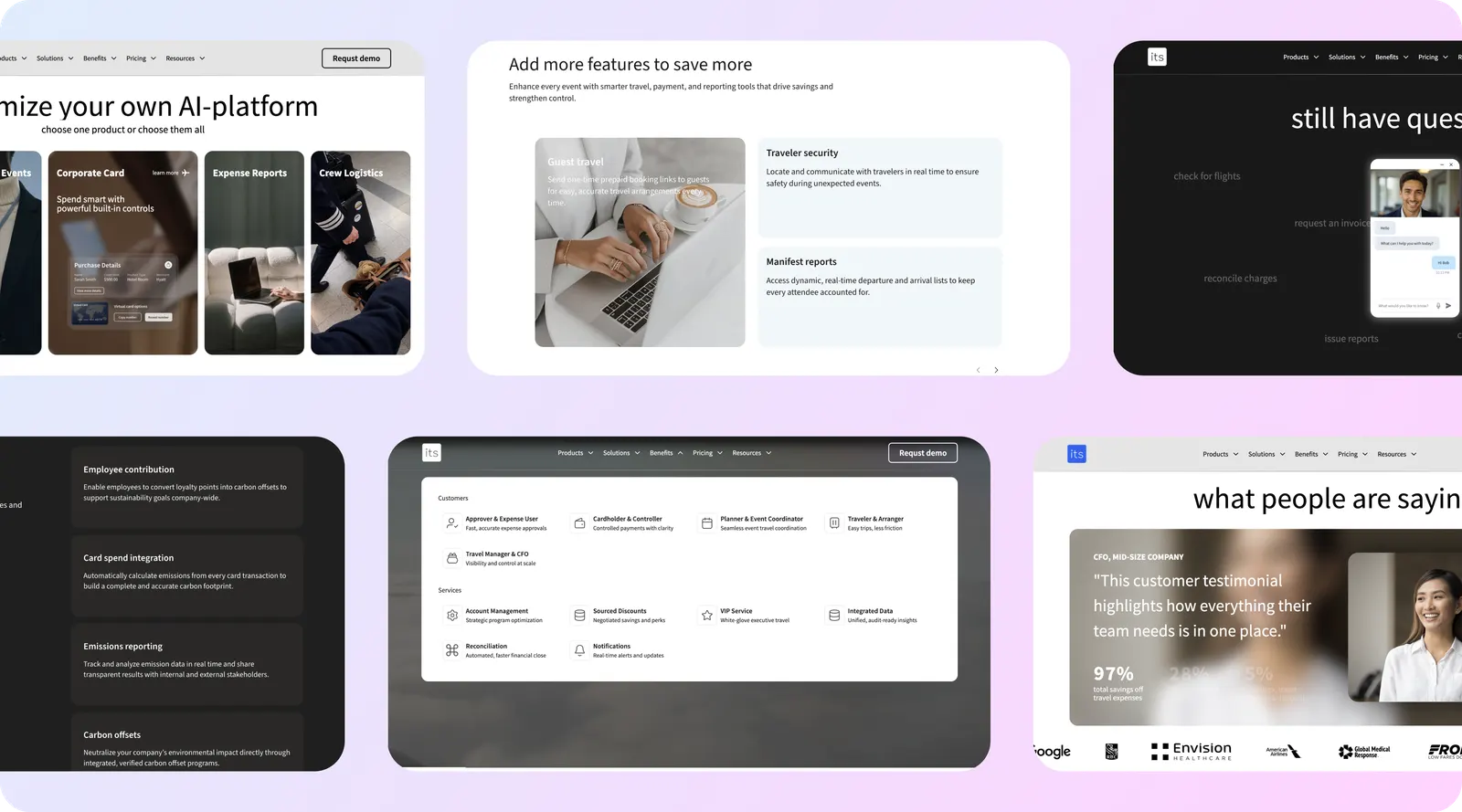
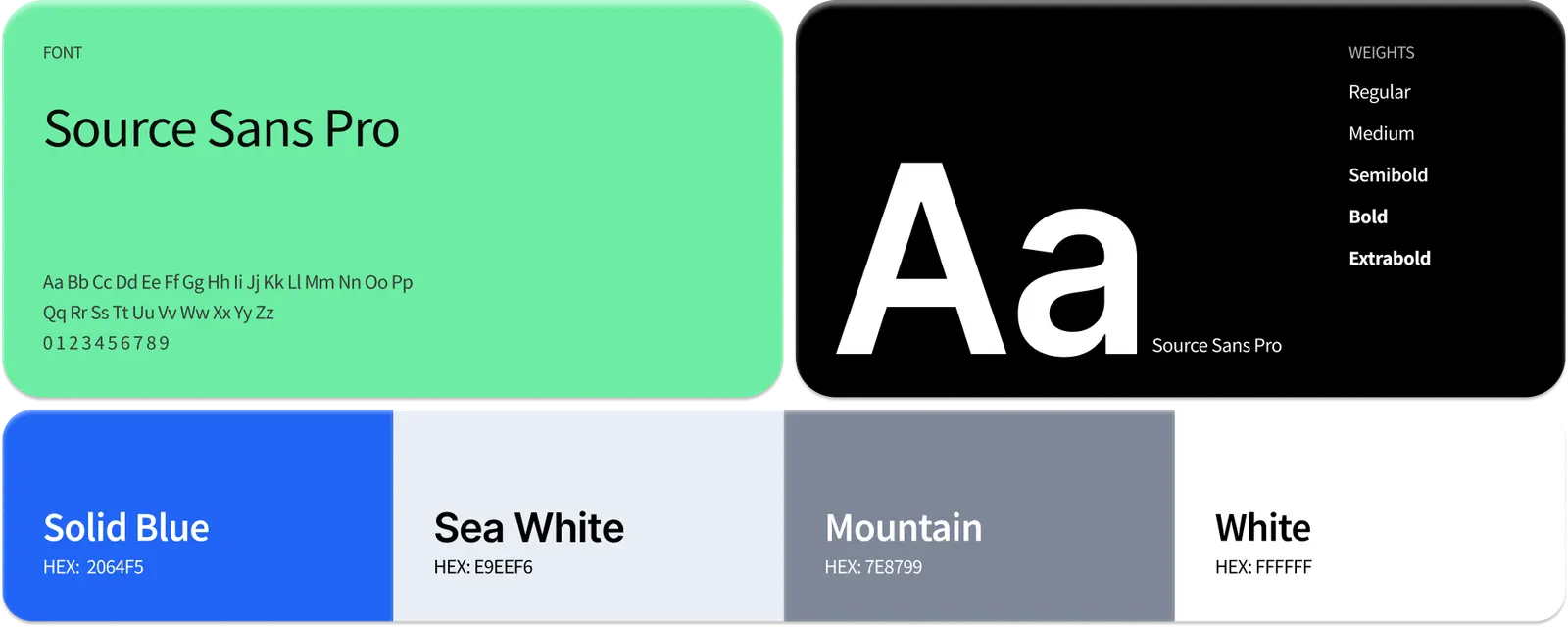
Screens and design system
The result
Better enquiry quality mattered more than more enquiries. Sales no longer spends first meetings explaining what the company does, and that is where the estimated two-week cut in the sales cycle comes from.
The case study format now appears in proposal documents as well as on the site, because it turned out to be the clearest written description of the delivery model the company had ever had.