Marketing · Content strategy platform
DEMP Agency: a content strategy platform for 28 client brands
DEMP Agency is a marketing agency that needed every writer to work from the same, current version of each client's voice. We built a pillar-based content strategy platform for it in 6 weeks. It now manages 28 client brands, brief to approved draft takes 2 days instead of eleven, and revision rounds fell from 4.2 to 1.6 per deliverable.
- Client
- DEMP Agency
- Industry
- Marketing
- Built
- Internal tool
- Timeframe
- 6 weeks

What changed
- 11 days to 2from content brief to approved draft
- 58% to 94%message consistency score across campaigns, up from the baseline
- 28 client brandsmanaged in the system
- 4.2 to 1.6 roundsof revisions per deliverable
- 3-day onboardingfor a new writer, instead of six weeks of picking up house style by osmosis
- 6 weeksfrom kickoff to a finished build
Results as reported for this build after launch.
The challenge
The agency found it hard to keep each client's message consistent from campaign to campaign, and content drifted away from the long-term story it was meant to tell.
Revisions were the visible cost: four rounds on work that should have taken one, mostly spent rediscovering decisions already agreed. New writers took a month and a half to become useful.
Talent was never the problem. Each writer carried a slightly different picture of each client's voice, and nothing recorded which picture was right.
Strategy lived in a deck shown once at the start of an engagement and never opened again. Months later a well-written campaign would go out saying something the client had dropped in month two, because the writer was not in the room when that changed.
The only way to learn a client's voice was to get it wrong repeatedly in front of a senior. The agency wanted that knowledge written down and put in front of writers before they started.
What we built
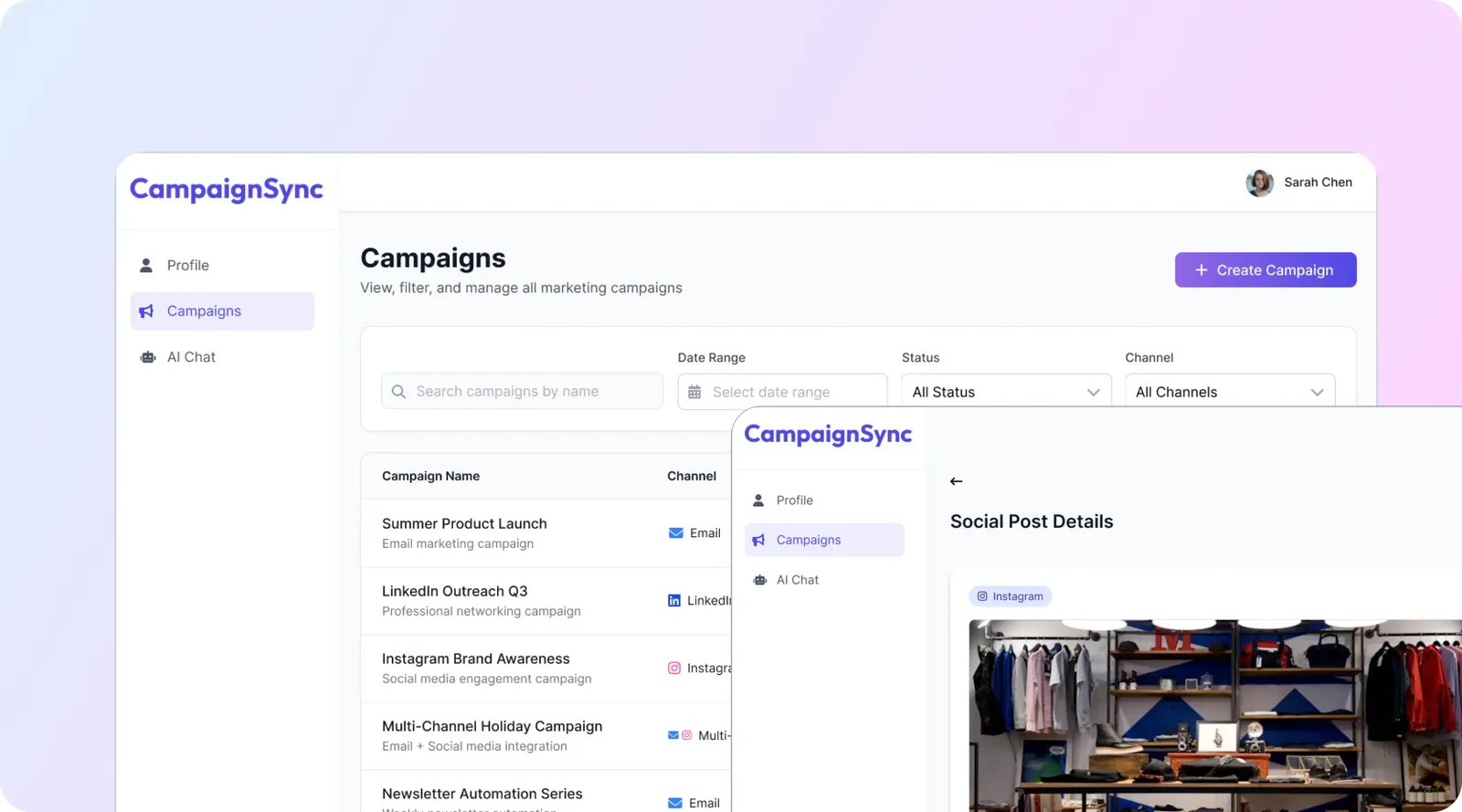
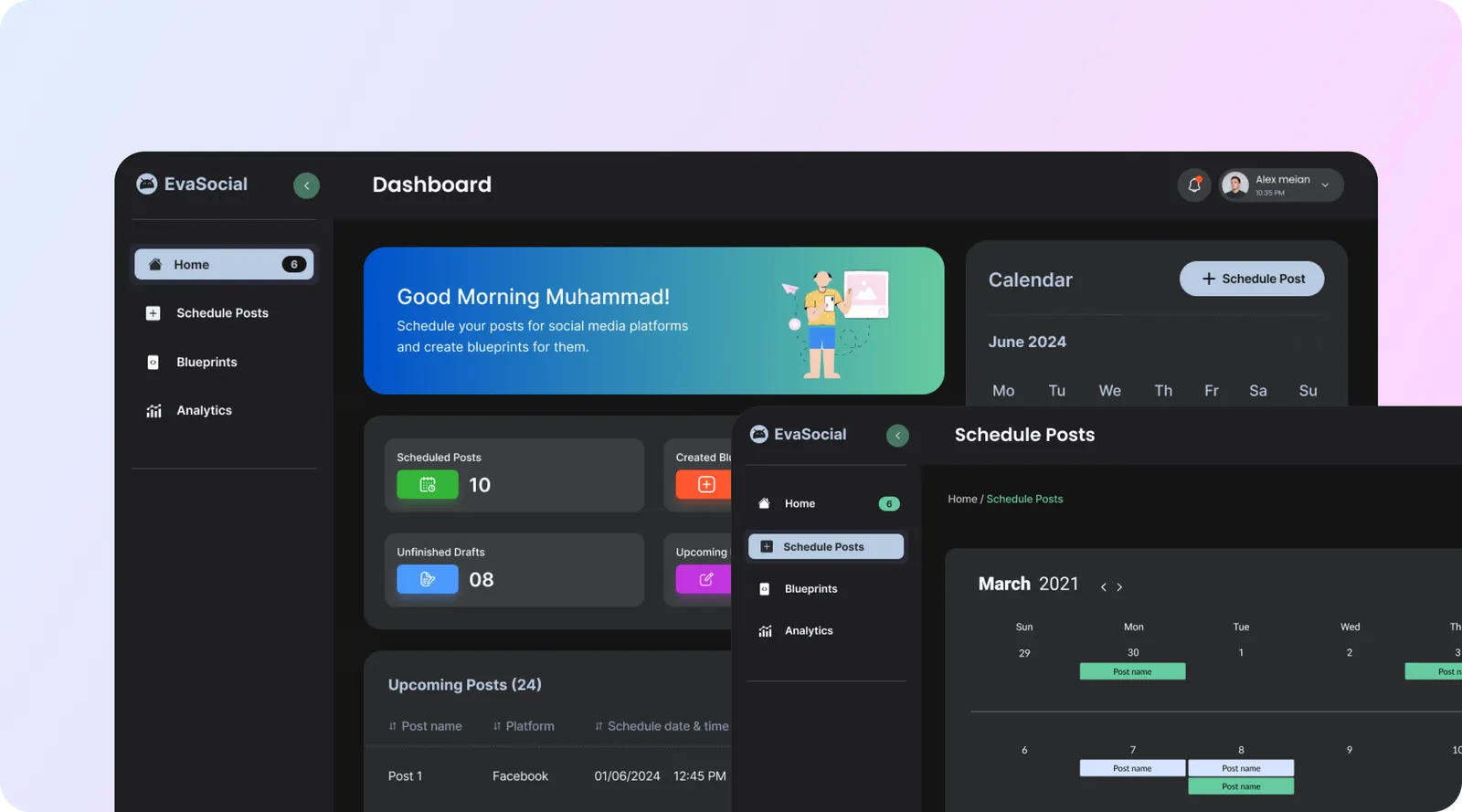
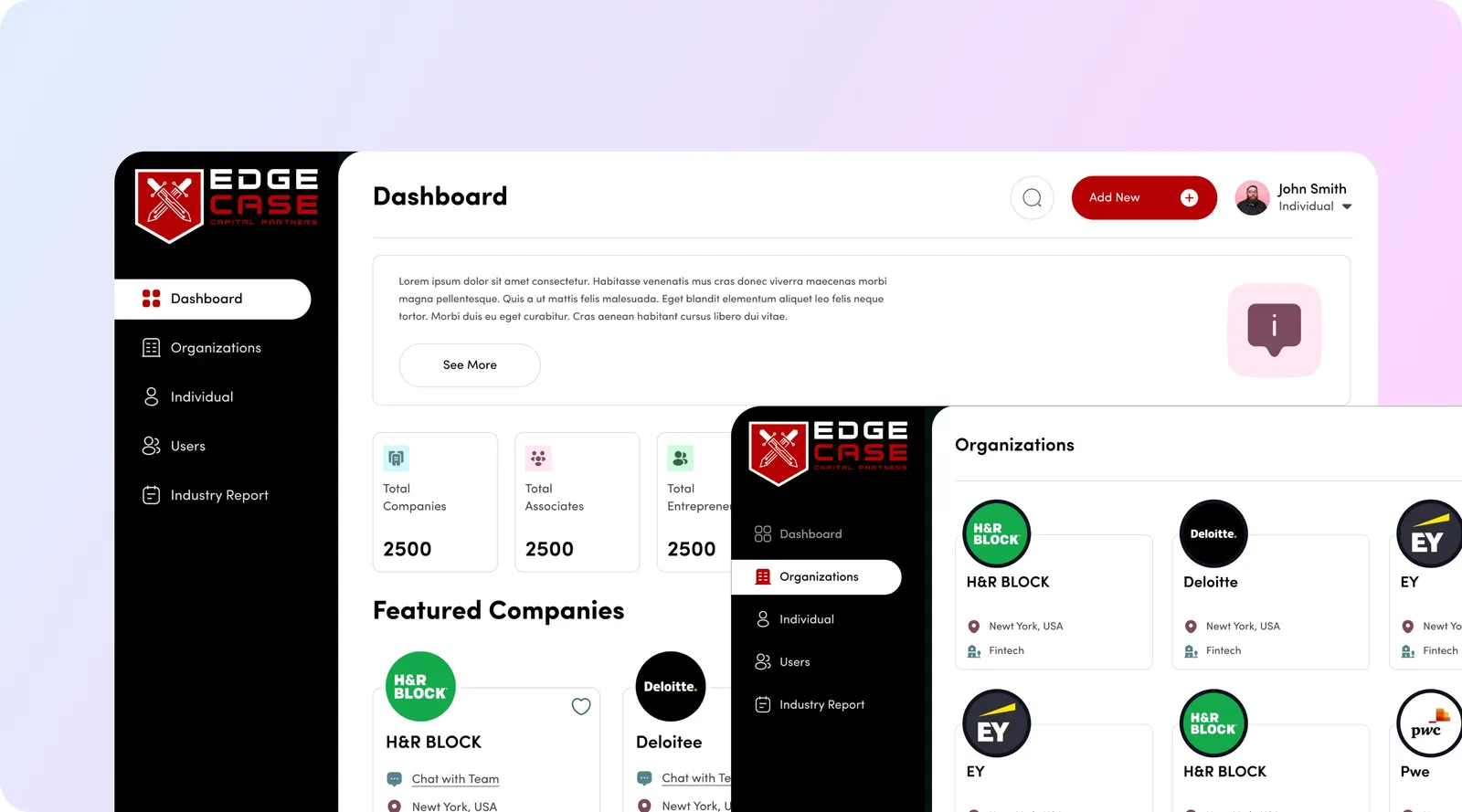
We built a content strategy platform with a living, versioned brand system for each client that feeds every brief and checks every draft.
Campaigns, approvals and the archive are all organised around content pillars, so each piece connects to the larger story it belongs to.
Living brand system per client
Holds positioning, messaging pillars, proof points, approved and banned terms, and tone guidance with worked examples. It is versioned, so every change is dated and has an owner.
Briefs that pull the current position
Each content brief draws from the brand system automatically, so writers start from the latest agreed position instead of a remembered one.
Automatic draft scoring
Drafts are checked against the brand system for terminology, tone and pillar coverage before a human reviewer sees them.
Campaign narratives
Each piece links to the campaign arc it belongs to, so a run of good individual posts adds up to a coherent story.
Rule-based approvals and archive
Approval happens in structured rounds, with comments tied to the brand rule they cite rather than personal taste. A cross-client archive is searchable by pillar and format, so nothing is written twice.
Screens and design system

The result
Revision rounds dropping from 4.2 to 1.6 pays for the system. It came from writers starting in the right place, not from reviewers relaxing their standards.
Onboarding mattered even more for growth. Getting a new writer productive in three days changed how the agency hires and removed the bottleneck that had kept it from taking on larger retainers.